At ITC Europe, HITS Highlights the Growing Impact of Disinformation on Insurance in the AI Era
As AI accelerates the spread and sophistication of false information, insurers are beginning to confront a new category of risk—one that extends far beyond the digital world.
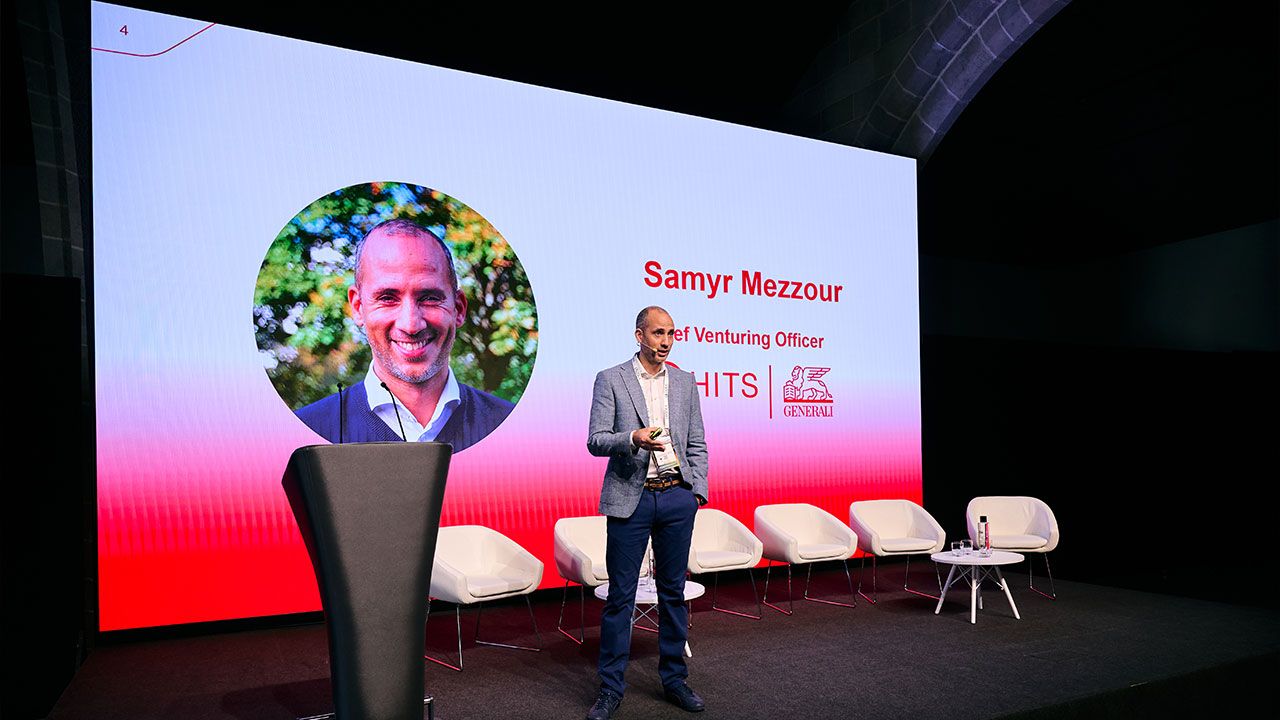
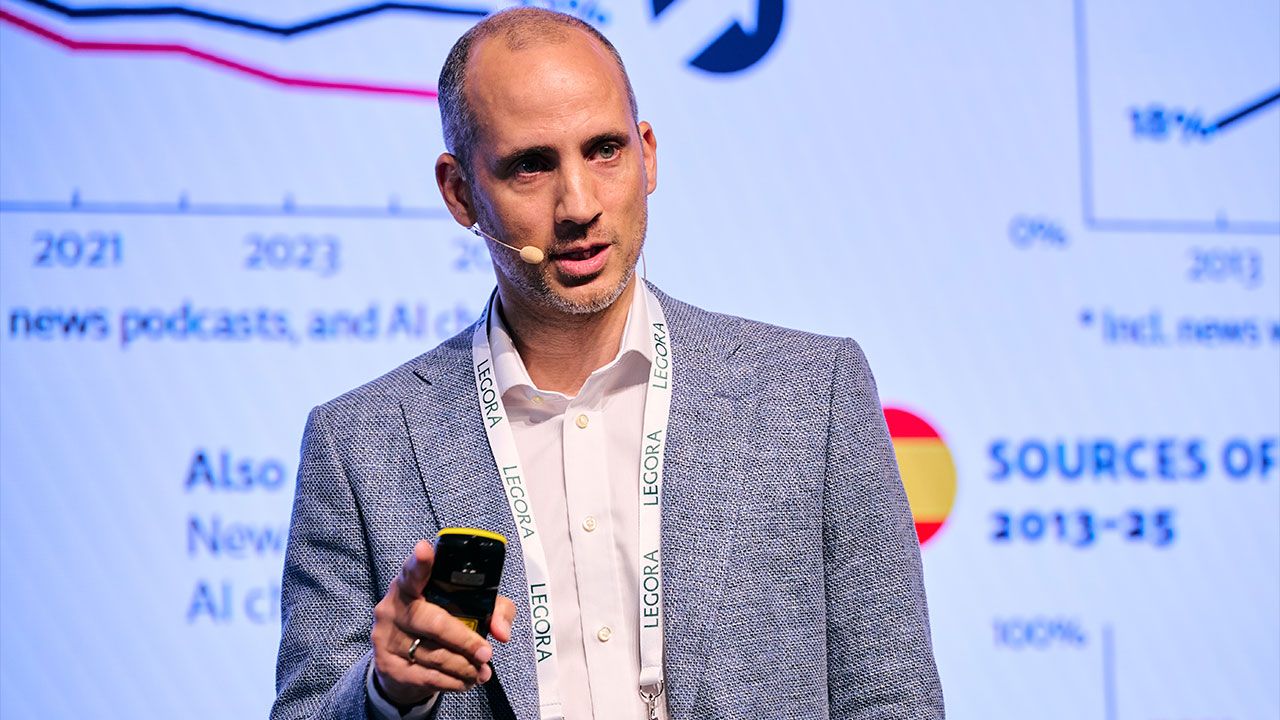
Generali was among the industry leaders participating in ITC Europe, one of the insurance sector's leading events for innovation and technology, held in Barcelona this year. Samyr Mezzour, Chief Venturing Officer at HITS, Generali's Corp-Up Studio, delivered a keynote on a topic that is gaining increasing relevance across the industry: the impact of disinformation on the insurance industry.
During the session, Mezzour explained that the World Economic Forum has been tracking global risks in its annual report with dis- and misinformation (labelled DisMis by HITS) emerging as a top global risk. It ranked as the number one risk in 2024 and 2025, and as the second in 2026, after geoeconomic confrontation.
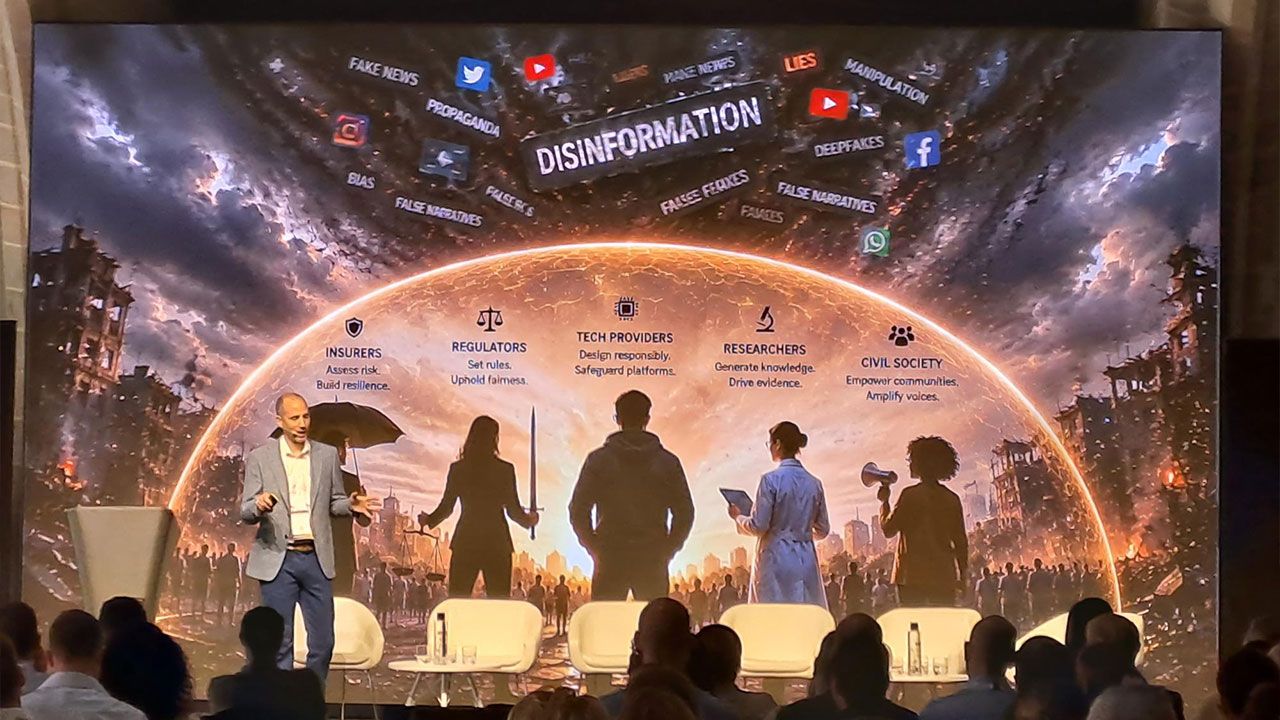
He also explored how false and misleading information can create real-world consequences that ultimately translate into claims, losses, and new forms of risk. From deepfake-enabled fraud and financial scams to climate misinformation, and from social polarization leading to riots and vandalism, to harmful health-related online trends, the impact of disinformation is increasingly visible across economies, communities, and businesses.
This challenge is becoming even more urgent as artificial intelligence accelerates, making the creation and distribution of deceptive content faster, cheaper, and more convincing. As a result, individuals and organizations, particularly those with fewer resources, safeguards or the lowest protection, are becoming more exposed. To respond to this, organizations across sectors are being challenged to rethink how they assess and manage emerging threats.
While governments, researchers, technology companies, and civil society organizations have launched initiatives to address disinformation, efforts often remain fragmented despite the systemic nature of the challenge. Mezzour highlighted the need for a more coordinated response to effectively tackle this top global risk.
For insurers, understanding these evolving dynamics will be increasingly important as risk landscapes become more interconnected and influenced by online behaviours.
The main message of the keynote was clear: disinformation does not stay online; it becomes risk, and that risk already sits on our balance sheets, directly or indirectly.
The discussion at ITC Europe reflected a broader industry trend: a growing recognition that the risks associated with disinformation may be shaped online, through both social media and the most sophisticated AI models in the market, but their consequences are increasingly felt in the physical world, financially, environmentally, socio-politically, and with respect to public health.
Through its presence at ITC Europe, our colleagues from HITS helped spotlight disinformation as a key emerging risk in the AI era and its implications for insurance, while marking the start of Generali’s journey to explore meaningful solutions to this global issue.