How The Human Safety Net is futureproofing families and societies
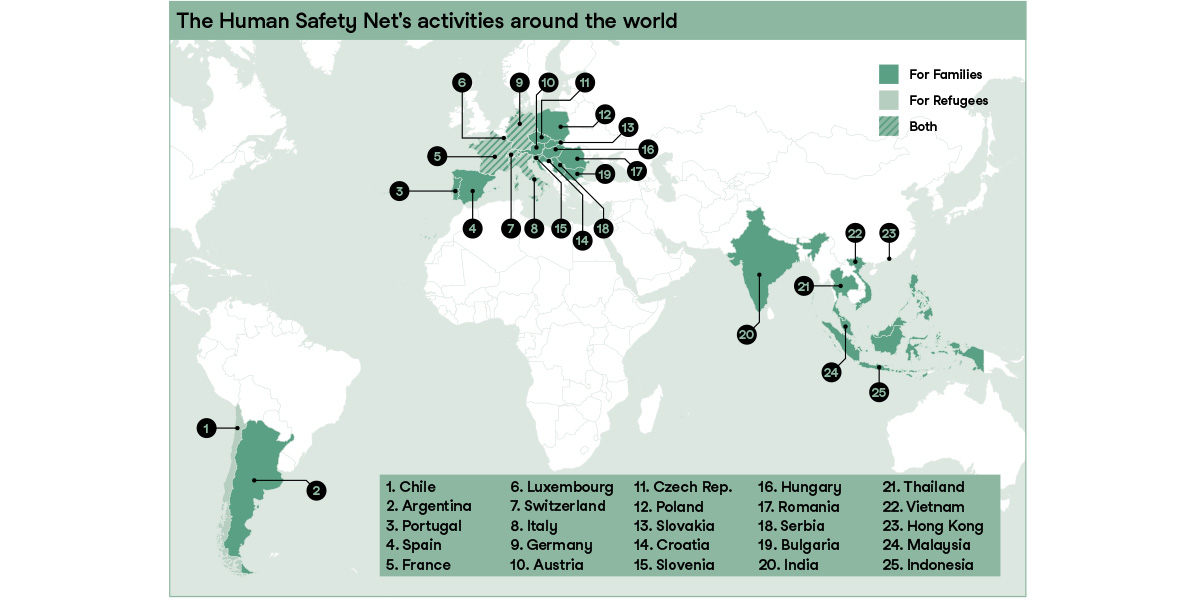
Generali’s global foundation is active in 25 countries in Latin America, Europe and Asia. Through a network of 85 partners operating in over 800 locations, the "For Families" and "For Refugees" programmes have so far supported over 830,000 children, parents and refugees
THE CONTEXT
Founded in 2017, The Human Safety Net’s mission is to «unlock the potential of people living in vulnerable situations so that they can improve the living conditions of their families and communities».
As the world grapples with demographic shifts, in this article, we explore how supporting children in the earliest stages of life and creating new opportunities for migrants and refugees can help communities adapt and thrive.
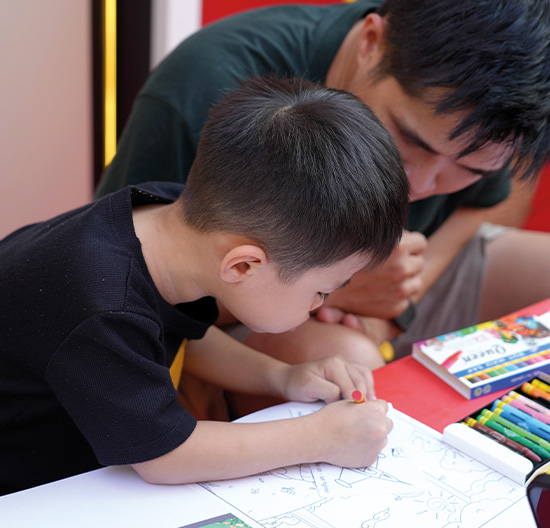
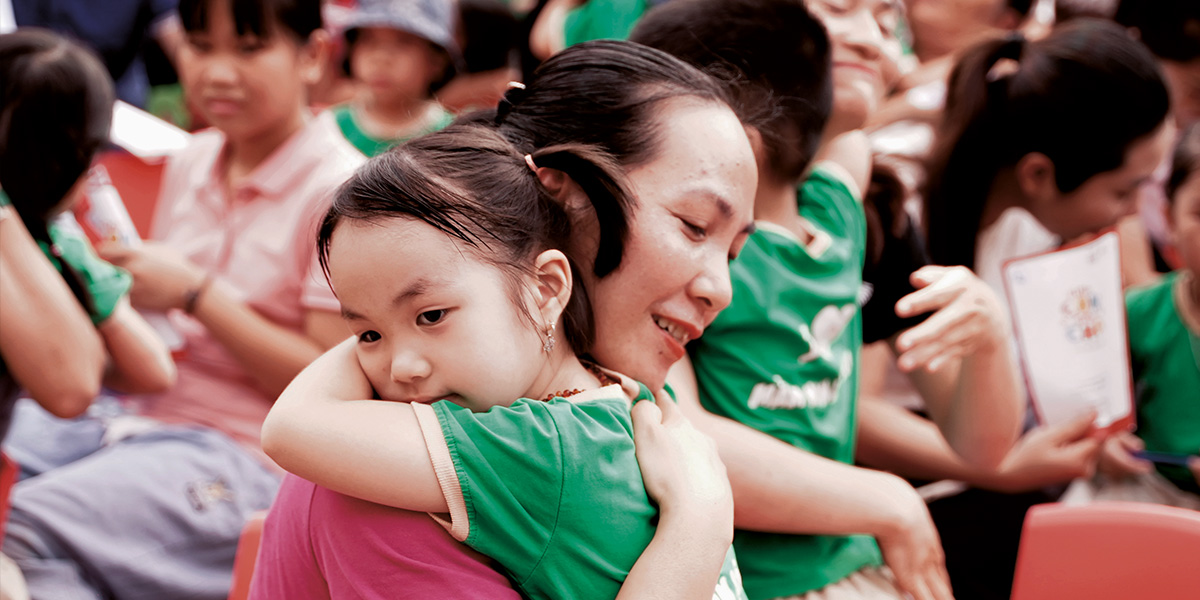
The Early Journey of Life - developed with RTCCD and Monash University - meets parents where they already are. In Vietnam, parental presence at child immunisation is mandatory and this programme integrates 12 in-person parenting sessions directly into routine vaccination visits across immunisation points turning waiting time into learning time. A controlled trial between 2018 and 2021 confirmed that children in the intervention group achieved higher cognitive, motor, and language development scores.
Integration within government systems has been key. In 2024, the Ministry further endorsed new child health assessment guidelines co-developed with the National Children’s Hospital, with our model as the foundation. Continuous cooperation with local provinces lays the ground to roll out a national adoption.
AN IN-DEPTH LOOK
The Foundation's two programmes
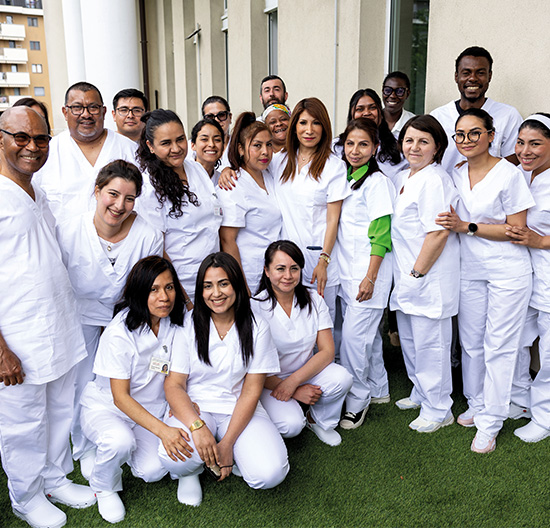
The Human Safety Net runs two global programmes: “For Families”, which supports vulnerable families with children aged 0 to 6, and “For Refugees”, which promotes the integration of refugees through work and entrepreneurship.On the other side of the globe, in Italy, the Refugee Programme responds to the country’s ageing population by training refugees and migrants as caregivers. With 16 private and 1 public partner, the initiative includes up to 10 months of classroom instruction and 3 months of internship. Since its launch in 2024, 300 participants have completed the programme, and all are now employed in caregiving roles - bringing new energy to a sector in urgent need of support.
Both programmes demonstrate how engaging in cross-sector collaboration - between NGOs, governments, and the private sector - can build social resilience.