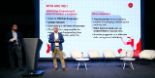
Ad ITC Europe, un messaggio è emerso con chiarezza: l’innovazione crea valore solo nel momento in cui si traduce in impatto
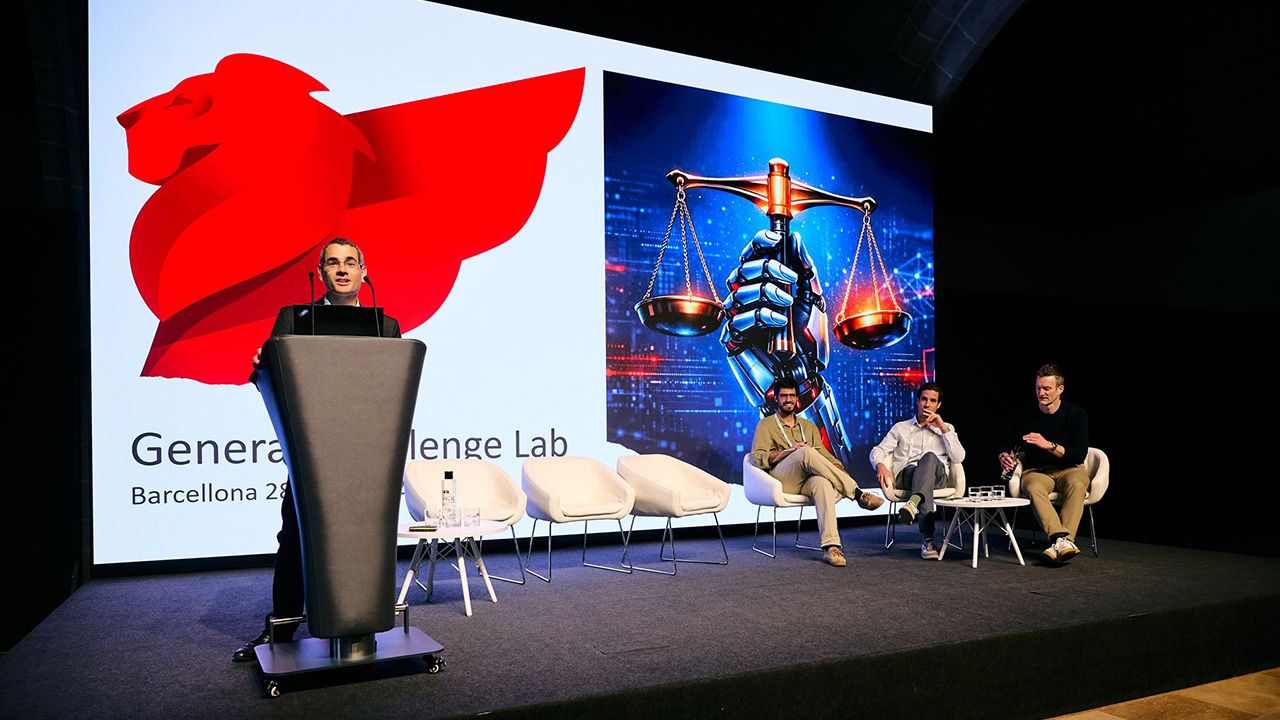
Questo è stato il principio guida durante il Generali ITC Challenge Lab, guidato da Giorgio Ripamonti, dove le sfide concrete dell’industria sono state messe di fronte a soluzioni attuabili. L’esperienza consolida un cambiamento fondamentale per il settore: il passaggio decisivo al di là della sperimentazione verso risultati tangibili e scalabili. L’attenzione si è concentrata su uno dei più urgenti rischi emergenti derivanti dall’adozione di una tecnologia chiave: l’Intelligenza Artificiale. La sua rapida evoluzione sta superando i framework di rischio esistenti, richiedendo al settore un’accelerazione nella sua capacità di risposta.
Allo stesso tempo, nuove minacce come la disinformazione –esposte dal Dr. Samyr Mezzour tramite l’iniziativa DisMis –non sono più solo teoriche; si stanno già traducendo in reclami misurabili e perdite finanziarie. Insieme, questi sviluppi indicano una realtà più ampia: il rischio sta diventando sempre più sistemico, richiedendo risposte coordinate a livello di settore invece di iniziative isolate.
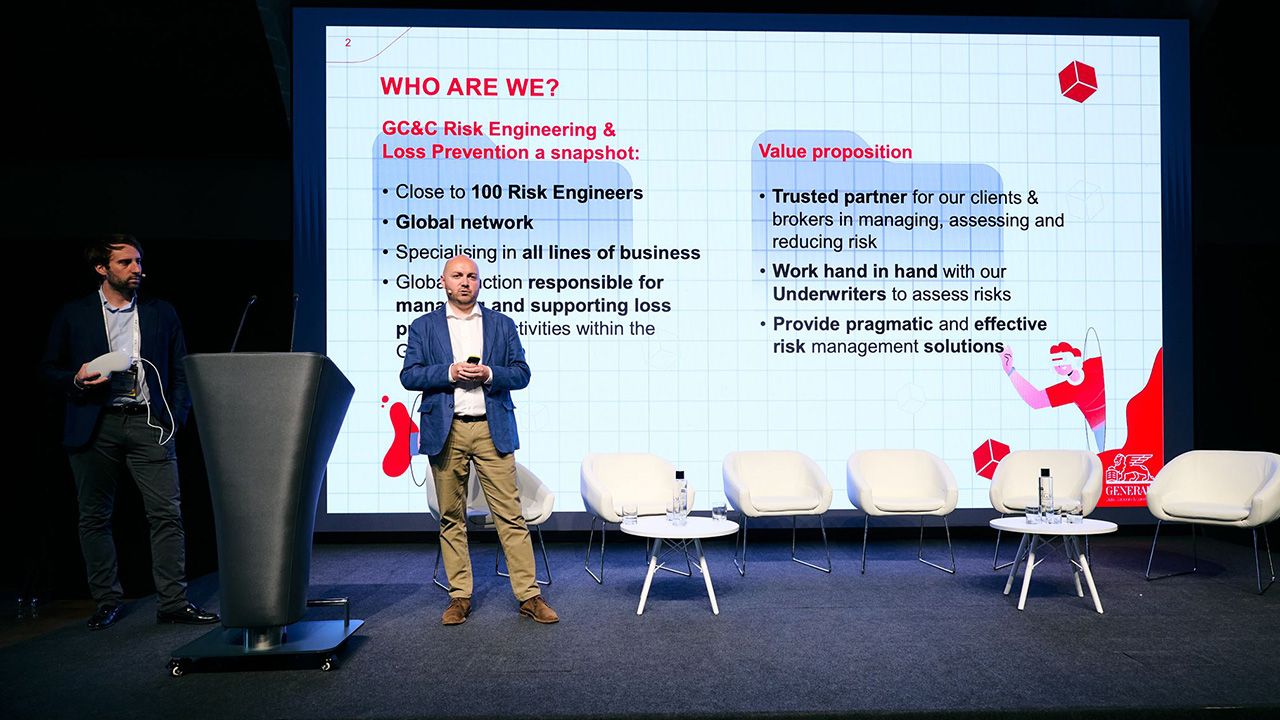
In parallelo, l’innovazione sta dando nuova forma alle capacità lungo tutta la catena del valore. Soluzioni come la MetaRelp di Generali, sviluppata con il contributo di Matthew Day, Adrián Díaz de Ilarraza Bozal e Panayiota Chrysostomou, dimostrano come la gestione del rischio stia diventando più dinamica, scalabile e preventiva. Questo riflette una transizione strutturale: l’innovazione si sta muovendo da pilot isolati a funzionalità integrate, e il valore è creato sempre più attraverso ecosistemi piuttosto che iniziative singole.
In questo contesto, Generali si sta orientando con un posizionamento chiaro: anticipare tempestivamente i rischi emergenti, convertire l’innovazione in esecuzione e rendere le funzionalità scalabili a livello di Gruppo. La direzione è chiara: l’assicurazione sta evolvendo da protezione di risorse a protezione di sistemi, e la prossima fase del settore sarà definita da coloro che saranno in grado di tradurre in modo coerente l’innovazione in impatto reale su larga scala.